Loading...
Searching hotels with best rates...

Day 1
Day 1
Arrive Paro by Flight & transfer to Thimphu (55km, 1.1/2-hour drive)
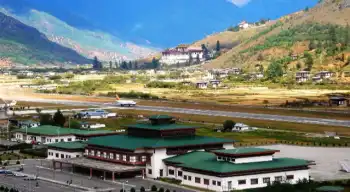
The flight to Paro stands as one of the most breathtaking experiences in the entire Himalayan
region. This journey treats you to captivating vistas and an exhilarating descent into the Kingdom
of Bhutan. As you step off the aircraft, Bhutan's first welcome gift to you is the refreshingly cool
and pristine mountain air.

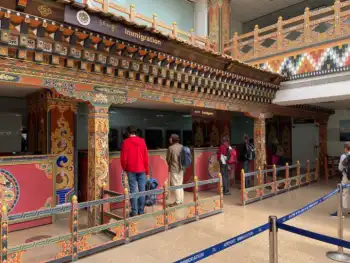
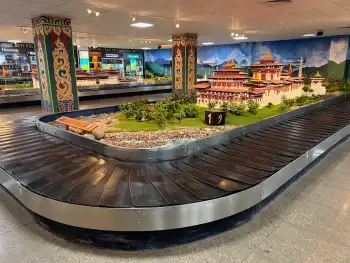
Once you've completed immigration procedures and collected your luggage, our representative
will extend a warm welcome, and then embark on a road journey to Thimphu, Bhutan's capital
town. The road takes you through the picturesque Paro valley, eventually leading to the
convergence of the Paro and Thimphu rivers at a place called Chuzom.
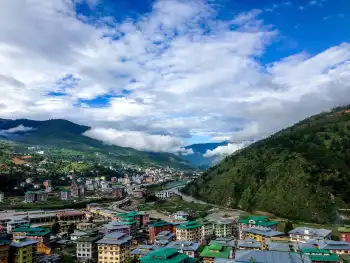
Thimphu, Bhutan's capital city, serves as the nexus of government, religion, and commerce. It's a
city that beautifully blends modern development with ancient traditions, making it perhaps the
world's only capital without a traffic light.
Overnight at the hotel in Thimphu (Altitude 2,320m)
Day 1
Day 1
Accommodation
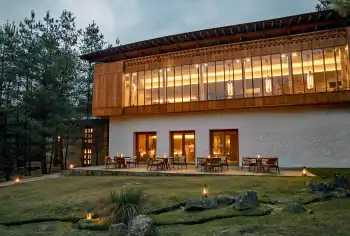
Amankora Thimphu
Amankora Thimphu

Day 2
Day 2
Following breakfast, visit to King National Memorial Chorten, a striking white structure crowned
with a golden spire, situated near the heart of Thimphu. It ranks among the city's most iconic
landmarks, offering an ideal opportunity to engage with locals who gather to circumambulate the
chorten, spin the large red prayer wheels, and offer prayers at a small shrine within the gates.
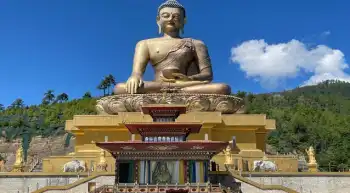
Then drive to Buddha Dordenma, located atop a hill in Kuenselphodrang Nature Park. The statue
fulfils an ancient prophecy dating back to the 8th century A.D that was discovered by Terton Pema
Lingpa (Religious Treasure Discoverer) and is said to emanate an aura of peace and happiness to
the entire world. This massive statue of Shakyamuni made of bronze and is gilded in
gold, measures 51.5 meters in height, making it one of the largest statues, in Bhutan. 125,000
smaller Buddha statues have been placed within the Buddha Dordenma statue, each of these also
have been cast in bronze and gilded.

Continue on a hike from Buddha Dordenma to Changangkha Lhakhang, a delightful journey
lasting approximately 1.5 hours and offering easy terrain. As you follow the trail, you'll be greeted
by a magnificent sight of thousands of prayer flags fluttering in the breeze, creating a colourful
and spiritual atmosphere. The trail winds through a pristine forest adorned with tall pines,
graceful birch trees, and vibrant rhododendrons.
Post lunch, a special visit to Choki Traditional Art School. A beacon of hope for children from
disadvantaged backgrounds, the school offers free art education, food, and lodging. For over two
decades, it has empowered students to embrace Bhutan's rich artistic heritage, with its alumni
playing key roles in preserving and promoting the nation’s cultural identity. Here, art, tradition,
and spirituality come to life. The experience at Choki Traditional Art School includes:
Begin with Spiritual Connection: Your journey starts with a sacred butter lamp lighting ceremony
in front of the majestic Guru Rinpoche statue, a symbol of enlightenment and peace, setting the
tone for a day of discovery.
Introduction to Choki Traditional Art School: Immerse yourself in Bhutanese artistry through a
short documentary about the school’s mission to preserve traditional crafts. Sip signature mint tea
while learning about its dedication to empowering young artisans.

Hands-On Experience: Unleash your inner artist in a traditional painting workshop guided by
senior students, creating a masterpiece to take home as a memento of your journey.
Explore a 17th-Century Treasure: Step into a 340-year-old building consecrated by Druk Desi
Tenzin Rabgye and blessed by The Divine Madman, offering a unique glimpse into Bhutan’s
cultural history.
Live Art Demonstrations: Witness traditional arts firsthand with live demonstrations of Lhadi
Painting, Sculpting, Wood Turning, Bamboo Crafts, Textile Weaving, Tailoring, and Embroidery,
fostering a deeper appreciation for Bhutan’s artistic legacy.

Conclude your sightseeing of the day with visit to Trashichhoedzong, also known as ‘fortress of
the glorious religion’, it was initially built in 1641 and later restored in its present form by King
Jigme Dorji Wangchuk in 1965. The Dzong houses, main secretariat building which houses the
throne room of His Majesty, the King of Bhutan. The National Assembly Hall is housed in a modern
building on the other side of the river from the Dzong. During the warmer summer months, the
monk body headed by His Holiness, the Je Khenpo, makes its home in the Dzong.
Later explore Ka Ja Throm. Previously known as the Centenary Farmers Market (CFM), Kaja Throm
marks a significant transformation in Thimphu’s urban landscape and designated as the Market
Quarter where leisure, culture, knowledge, employment, and tourism economies converge.
Overnight at the hotel in Thimphu (Altitude 2,320m)
Day 2
Day 2
Accommodation
Amankora Thimphu
Amankora Thimphu

Day 3
Day 3
Thimphu – Punakha (75km, 3-hour drive)
After breakfast drive up to Dochu-la pass (3,088m/ 10,130 ft) stopping briefly here to take in the
view and admire the chorten, mani wall, and prayer flags which decorate the highest point on the
road. If skies are clear, the following peaks can be seen from this pass (left to right): Masagang
(7,158m), Tsendagang (6,960m), Terigang (7,060m), Jejegangphugang (7,158 m), Kangphugang
(7,170 m), Zongphugang (7, 060 m), a Table Mountain that dominates the isolated region of
Lunana - finally Gangkar puensum, the highest peak in Bhutan at 7,570m.

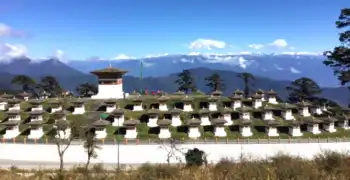
At Dochula Pass, 108 chortens or stupas known as Druk Wangyal Chortens have been built by Ashi
Dorji Wangmo Wangchuk, the eldest Queen Mother. These chortens are built in three layers, the
first lowest level layer has forty-five chortens, the second has thirty-six and the top layer has
twenty-seven, built around the main chorten.

From Dochula pass, embark on a 45-minute Royal Botanical Hike. The trail takes you along the
important religious route the clergy used since the 17the century as they shifted their headquarters
between winter residence in Thimphu and summer residence in Punakha each year. The trail
begins at the spectacular 108 Stupas at Dochula pass and takes about 45 minutes of easy downhill
hike along the pristine and least explored nature featuring a wide variety of rhododendron,
magnolia, oak and birch trees. The meandering brook gushes by while the birds above sing
melodious tunes along as you walk. A highlight of the Royal Botanical Trail is that you will find over
28 out of 46 different species of Rhododendron blanketing the trail.
After enjoying nature’s bounty at Dochula, continue onto Punakha.
Punakha served as the capital of Bhutan and seat of government until 1955 and still it is the
winter seat of Je Khenpo (the chief abbot). Blessed with temperate climate and owing to its
natural drainage from Pho Chhu (male) and Mo Chhu (female) rivers, the fertile Punakha valley
produces abundant crops and fruits. Located at an elevation of 1300m above sea level, Punakha
enjoys mild winters and is a popular year-round destination.
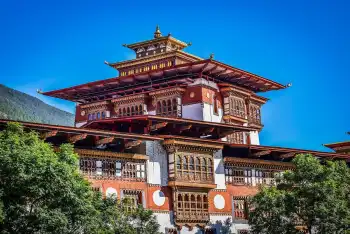
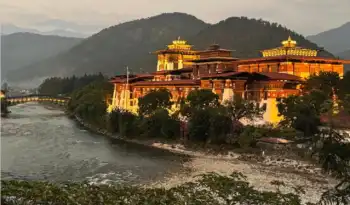
Following lunch, explore the Punakha Dzong, also known as the Palace of Great Happiness,
constructed at the confluence of the Phochu and Mochu rivers in 1637 by Zhabdrung Ngawang
Namgyal. This grand dzong served as both a religious and administrative centre in Bhutan's
history. It spans approximately 600 by 240 feet and features a six-story gold-domed tower. Within
its walls, you'll encounter courtyards and religious sculptures that offer glimpses into the depth of
history and spiritual traditions embedded here.

Next, stroll across the Punakha Suspension Bridge, gracefully suspended over the rushing waters
of the Mo Chhu River. A marvel of engineering, this bridge provides a thrilling experience for
visitors. Spanning approximately 160 meters, it ranks among Bhutan's longest suspension bridges,
offering a unique perspective of the picturesque Punakha Valley. With prayer flags fluttering in the
wind and the river's roar below, crossing this bridge provides an exhilarating blend of natural
beauty and cultural significance.
Later enjoy a brief excursion to Chimi Lhakhang, also known as the temple of fertility. Perched on
a hillock in the heart of the valley, this temple is renowned for the belief that couples struggling
with infertility are blessed with children shortly after visiting and offering prayers here. The trail
leads through rice fields to the quaint settlement of Pana, which means 'field.' Strolling through
the village near the temple provides you with rare insights into the daily lives and lifestyles of the
villagers.
Overnight at the hotel in Punakha (Altitude: 1,300m)
Day 3
Accommodation
Punakha Pemako
Punakha Pemako

Punakha
After breakfast, embark on a scenic hike leading to the majestic Khamsum Yuelley Namgel Chorten (approx. 2-hour round trip nature walk). This remarkable structure was erected with the intention of dispelling negative energies and fostering peace, stability, and harmony in a world marked by constant change. The chorten stands as a commanding presence in the upper Punakha Valley, offering breathtaking panoramas that sweep over the Mo Chhu River and extend towards the towering peaks of Gasa and the surrounding landscape.

Picnic lunch by riverside, enjoying magnificent views all around.

Afternoon at leisure to enjoy spa facility.

Overnight at the hotel in Punakha (Altitude: 1,300m)
Accommodation
Punakha Pemako
Punakha Pemako

Punakha – Paro (125km, 4.1/2-hour drive)
Breakfast at the hotel and then drive back to Paro.

Paro is a stunning valley steeped in rich culture and surrounded by breathtaking natural beauty. It hosts some of Bhutan's oldest temples, monasteries, the National Museum, and the country's sole international airport. To the north, Mount Chomolhari (7,314 meters) stands majestically in pristine white, while its glacial waters cascade through deep gorges to form the Paro River, known locally for its fertile terraced fields that yield the famous red rice.

Following a delightful lunch, later in afternoon visit Ta Dzong, originally a Watchtower and now home to the National Museum. The museum's extensive collection includes antique thangkha paintings, textiles, weaponry, household artifacts, and a diverse array of natural and historical treasures.

Later Walk into a traditional farmhouse. These charming structures, often adorned with intricate woodwork and painted in vibrant colours, are a testament to Bhutan's architectural heritage. Visitors have the opportunity to experience the warmth of Bhutanese hospitality, savour authentic local cuisine, witness traditional farming practices, and immerse themselves in the tranquil ambiance of the countryside. It's a unique and enriching way to connect with the traditions and way of life that have endured for generations in this picturesque region of Bhutan. Here you’ll also have opportunity to try your hand in Archery, Bhutan’s national sport. Archery is most favourite sport of the country and also considered as national past time.

Also explore charming Paro city centre and local market.

Overnight at the hotel in Paro. (Altitude: 2,280m)
Accommodation
Six Senses Hotel & Resort

Day 6
Day 6
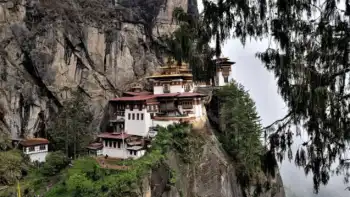
Following a leisurely breakfast embark on a captivating journey to Taktshang Monastery, also known as Tiger's Nest, which involves approximately a 5-hour round-trip hike. This monastery holds a position of utmost prominence among Bhutan's monastic institutions, clinging to the side of a cliff at an elevation of 900 meters above the Paro valley floor. Legend has it that Guru Rinpoche arrived at this sacred site on the back of a tigress and engaged in meditation, hence earning it the name 'Tiger's Nest.' Recognized as one of the most sanctified places in Bhutan, it was visited by Zhabdrung Ngawang Namgyal in 1646 and is now a pilgrimage site frequented by all Bhutanese at least once in their lifetime.

Overnight at the hotel in Paro. (Altitude: 2,280m)
Day 6
Day 6
Accommodation
Six Senses Hotel & Resort

Morning after breakfast, drive to Chelela pass.  Located at an elevation of 3,988 meters, Chele la is considered to be one of the highest motorable passes in Bhutan. About an hour's drive along a thickly forested road, this Pass is a botanical paradise, providing stunning views of the sacred mountain Jumolhari and Jichu Drake. It is also marked by hundreds of prayer flags fluttering in the wind.  

From Chelela, embark on a fascinating excursion to Kila Gompa, a nunnery perched on a steep cliff face at 3,500m. This staggering site manages to house 7 small temples and about 70 nuns. From Chelela pass, the Gompa is about an hour walk amidst magnificent, wooded area.

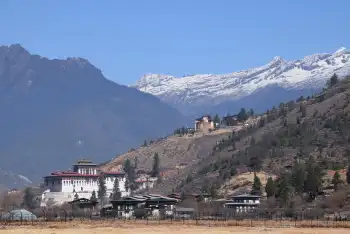
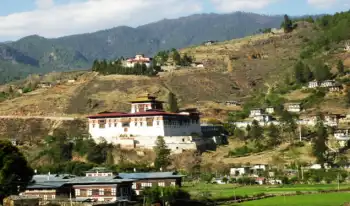
Afternoon explore Rinpung Dzong, also known as Paro Dzong, meaning ‘fortress of the heap of jewels’. This dzong boasts a captivating history and features exquisite wall paintings depicting Buddhist tales such as the four friends, the old man of long life, the wheel of life, episodes from the life of Milarepa, Mount Sumeru, and cosmic Mandala.

Then stroll through Paro town and local market, and explore Ka Ja Throm, a vibrant community market beside Ugyen Pelri Palace grounds. Lively with local vendors, crafts, produce, and warm hospitality, it offers a genuine glimpse into Bhutanese daily life and traditions.

Overnight at the hotel in Paro. (Altitude: 2,280m)
Accommodation
Six Senses Hotel & Resort

transfer to Paro Airport for departure.

Why Us

Tour Price

Other Tours

⭐⭐⭐⭐⭐💎

Bhutan · The Last Himalayan Kingdom

Sacred Landscapes, Living Traditions & Rare Luxury
100% Price Beat Guarantee
No hidden costs
Tour Operator: Visit Bhutan
Tour starts Paro
Tour ends Paro
Duration 8 Dyas / 7 Nights
Book with Confidence
100% Price Beat Guarantee
Travel with Local Experts
100% Money Back
Save Up to 50%
100% Customer Satisfaction
24/7 Customer Service
Trip Price from
$9,650.00
per person PRICE double occupancy
Select Date and Travelers/Rooms